The deepening energy crisis triggered by the US-Israel war with Iran has thrust energy security back onto the political stage in European countries — and widened fault lines along with it.
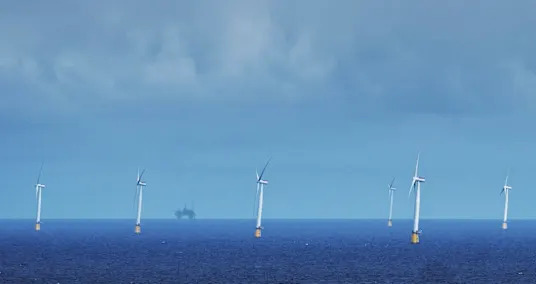
In the UK — which is particularly vulnerable because of its imports of gas, and which suffered hefty price rises following Russia’s 2022 invasion of Ukraine — attention this time has shifted from diversifying supply away from single countries to a broader push to move beyond fossil fuels, said Annabel Rice, a senior political adviser at the Green Alliance, a London-based think tank. Or at least, that’s the takeaway the governing Labour Party seems to have settled on, casting renewables as more insulated to oil price shocks.
France is similarly leaning towards reducing reliance on hydrocarbons. The country’s prime minister has tasked his cabinet with identifying priority actions to electrify the economy. Others in Europe, such as Italy, have so far opted to double down on fossil fuels to cushion the blow from surging electricity bills. The UK’s opposition Conservative Party is pitching a similar idea, launching a “Get Britain Drilling” campaign this week, pressing to reverse the country’s ban on North Sea oil and gas licenses and claiming it would cut bills significantly.

LATEST POSTS
- 1
 Shipping: The Corridors of Trade and the Coming of Another Period
 - 2Astronomers now say the moon is eating up molecules from Earth’s atmosphere
- 3Kate Hudson, 46, says she doesn't need long workouts to feel good
- 4Quandoo to shut restaurant booking platform by end of 2026
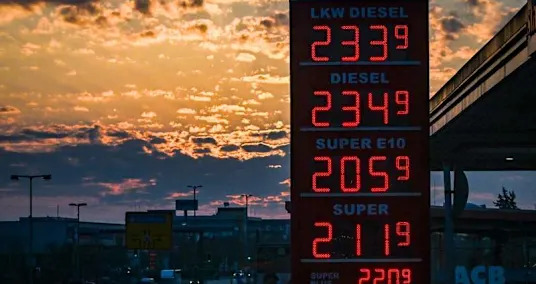
- 5Big majority in Germany call Berlin's efforts on gas prices too weak



- Exploring the Difficulties of Beginning a Family: Individual Experiences
- Tatiana Schlossberg, a granddaughter of JFK, is dead at 35 after cancer diagnosis
- The Most Moving TED Talks You Want to Watch
- Shas threatens to oppose 2026 state budget over haredi food-voucher exclusion
- Winter storm warnings issued across Northeast as up to 9 inches of snow forecast; deadly atmospheric river in California snarls travel
- Sunken warship found off Danish coast after 225 years in ‘remarkable’ discovery
- 5 Wellbeing Applications Assist You With remaining Fit
- Vote In favor of Feasible Way You Prescribe to Shop for Garments
- Israel faces tough choices over haredi draft exemptions, legal expert warns