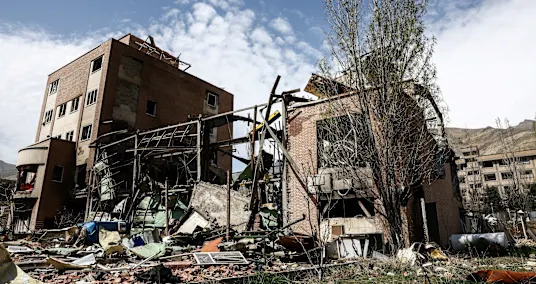
In Tehran, a city of nine million people, schools are closed, businesses are shuttered or struggling, and locals are living without a functioning air-raid warning system or public shelters. In many areas, the first sign of an incoming strike is the explosion itself.
There have been twice as many US and Israeli attacks on Iran compared to the number of Iranian retaliatory strikes since the war began — and the numbers killed in Iran have been orders of magnitude greater than in the neighboring Gulf states. A nationwide internet blackout, now entering its second month, has left civilians unable to access information about safety, shelter, and food and has meant some are unable to work. But while millions have fled Iran’s cities, many more are staying where they are. Some residents are hoping the US and Israeli bombs will cause the regime to collapse; others are left wondering if they are at risk if their neighbors are targeted.
For the many Iranians with ties to Dubai, there are other pressures, with Iranian nationals now barred from entering or transiting through the UAE. Residency permits, even for those with long-term Golden Visas, are reportedly being revoked without notice.

LATEST POSTS
- 1
 How did I get my own unique set of fingerprints?
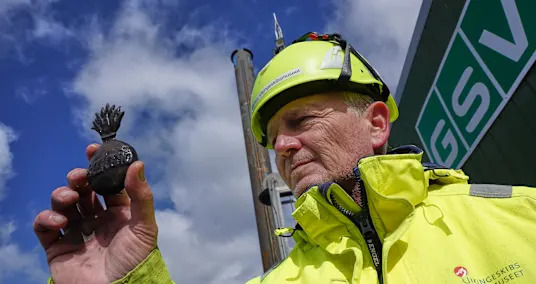
 - 2Danish warship sunk by famed British admiral discovered after 225 years
- 3Longtime United Launch Alliance CEO Tory Bruno resigns from space company. 'Finished the mission I came to do.'
- 4Accomplishing Balance between fun and serious activities: Procedures for a Better Life
- 5The pace of hiring just fell to the lowest since 2011, outside of the pandemic




- 'War is not over': Detailed diagrams of prisons found in cells of Oct. 7 terrorists
- Sean Penn lights up, Kylie Jenner gets A-list approval and 7 other moments you didn’t see at the Golden Globes
- Cognizant Couture d: A Survey of \Moral Decisions and Sharp Looks\ Maintainable Style
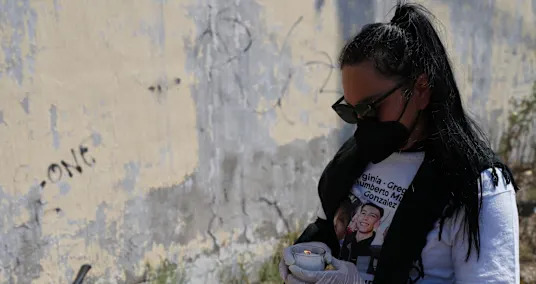
- Mexico says a third of 130,000 missing people might be alive, fueling criticisms by families
- Watch the Geminid meteor shower peak tonight from the comfort of home with this free livestream
- Figure out How to Score Huge with Open Record Rewards
- ‘We are the alternative’: Anti-Hamas Gaza militia tells BBC group is receiving international support
- Rachael Ray is navigating grief this holiday season. She doesn't have time for 'negative energy' on the internet.
- Native artists in Texas and Mexico shared their vision of the universe for 4,000 years, ancient murals suggest